Cinnamon roll (also cinnamon bun, cinnamon swirl, cinnamon Danish and cinnamon snail) is a sweet roll served commonly in Northern Europe (mainly in Scandinavia) and North America. Who could resist these homemade cinnamon rolls? Rich and fluffy, with their soft, buttery interior they are totally irresistible. Nothing says Sunday morning like a warm, gooey batch of homemade cinnamon rolls.
Cinnamon roll is one of the most well liked of current trending meals in the world. It is enjoyed by millions every day. It’s simple, it is quick, it tastes delicious. Cinnamon roll is something which I have loved my entire life. They’re fine and they look fantastic.
To get started with this particular recipe, we must prepare a few components. You can cook cinnamon roll using 8 ingredients and 4 steps. Here is how you cook it.
The ingredients needed to make Cinnamon roll:
- Take 3 cups flour
- Get 2 teaspoon cinnamon powder
- Prepare 3 teaspoon milk powder
- Make ready 3 tablespoon sugar
- Make ready 3 teaspoon butter
- Take 1 egg (optional)
- Prepare 1 pinch salt (optional)
- Prepare 3 teaspoon yeast
You can use regular white granulated sugar or brown sugar. Homemade cinnamon rolls never seem like a project you can undertake in the morning and have ready in time for breakfast, right? All those ingredients to measure out, kneading in a stand mixer. Classic Cinnamon Rolls from Delish.com are unbeatable.
Instructions to make Cinnamon roll:
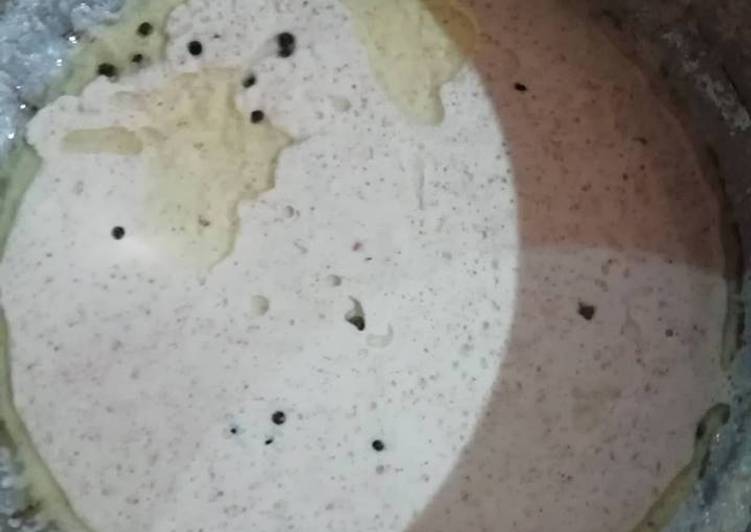
- In a bowl add your flour,cinnamon powder, milk,butter, sugar,egg,yeast and salt and mix with warm water until a soft and smooth dough is formed
- Cover the dough for about 10-15min, put a little amount of flour on your board put your dough and roll it.
- Cut the sides of the dough and pour a small amount of cinnamon power and brown or white sugar and roll it.
- Cut it to your desire shape, cover and allow it to rise for 10-15min. Then you bake it
All those ingredients to measure out, kneading in a stand mixer. Classic Cinnamon Rolls from Delish.com are unbeatable. These Homemade Cinnamon Rolls taste like they came from a bakery! They're soft and fluffy, and topped with a thick layer of cream cheese frosting. A make-ahead dough breaks up the work.
Which usually means at any given cinnamon roll time in your cooking cycle cycles there’s quite probably somebody somewhere that is worse or better in cooking more compared to you. Take heart from this because even the most effective have bad days in terms of cooking. There are many people who cook for different reasons. Some cook in order to eat and survive although some cook because they actually enjoy the process of ingestion. Some cook through the times of emotional upheaval and many others cookout of utter boredom. No matter your reason for cooking or understanding how to cook you need to always begin with the fundamentals.
Another great bit of advice in regards to cooking basics is to use simpler recipes for a while and then expand your horizons to the more complicated recipes that abound. Most recipes will have a little note about their degree of difficulty and you’ll be able to go the recipe to find out whether or not it is something you’re interested in preparing or convinced that you can prepare. Remember Rome wasn’t built in a day and it’ll take a relatively good opportunity to create a reliable’repertoire' of recipes to work into your meal planning rotation.
You will also find as your own experience and confidence grows you will find yourself more and more regularly improvising as you move and adjusting meals to meet your own personal preferences. If you prefer less or more of ingredients or want to earn a recipe somewhat less or more spicy in flavor that can be made simple adjustments along the way so as to attain this objective. In other words you will begin punctually to create recipes of one’s personal. And that is something you wont of necessity learn when it comes to basic cooking skills for novices however, you’d never know if you did not master those simple cooking abilities.